
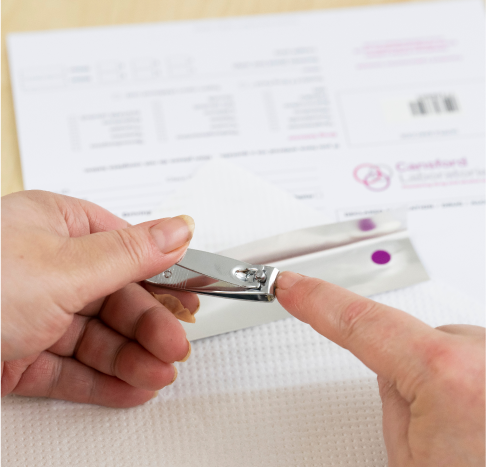
Fingernail Screening
Fingernail and toenail screenings are toxicological or medical tests that analyze nail clippings. They are widely used for drug and alcohol monitoring, or to diagnose fungal infections and nutritional deficiencies. The test measures biomarkers deposited into the keratin matrix as the nail grows.
Test Applications & Detection Windows
- Drug & Alcohol Screening: Detects the presence of substances (e.g., marijuana, cocaine, opiates) or alcohol biomarkers.
- Fingernails: Provide a window of detection of approximately 3 to 6 months.
- Toenails: Grow slower than fingernails, providing a longer detection window of up to 12 months.
- Medical Screening: Dermatologists clip nails or scrape subungual debris to test for onychomycosis (nail fungus) via culture or PCR analysis.
- Nutritional / Systemic Health: Visual or lab screening of nail brittleness can indicate deficiencies (like vitamin D or iron) or underlying thyroid issues.
Important Considerations
- Sample Purity: Samples must not be contaminated. For drug tests, you must remove all artificial enhancements (e.g., acrylics, gels, or polish) before clipping.
- Sample Separation: Fingernail and toenail samples cannot be mixed in the same test kit due to varying growth rates.
- Collection & Lab Processing: Samples are typically collected by trained technicians, placed in sterile bio-bags, and shipped to a toxicology lab.
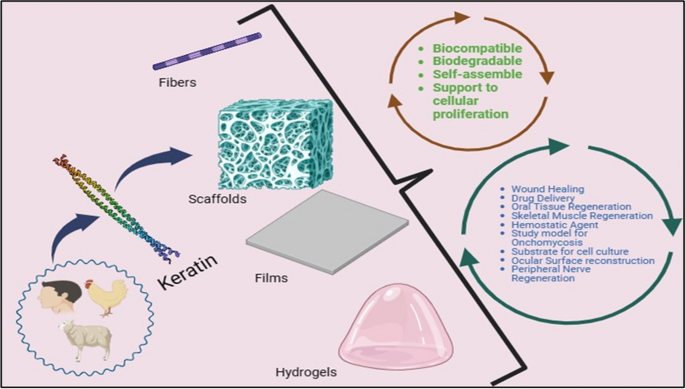
Keratin-Based Drug Testing
Keratin-based drug testing analyzes hair and nails to detect the presence of illicit substances and their metabolites. When a drug enters the bloodstream, biomarkers are circulated to the follicles and nail beds, becoming permanently trapped within the hard keratin proteins as the hair or nail grows.
Key Types of Keratin Testing
- Hair Follicle Testing: Head hair grows at an average rate of roughly \(1 \text{ cm per month}\), allowing labs to segment the strand and establish a timeline of historical drug use. The standard detection window is 90 days, though longer hair can provide a much broader historical overview.
- Fingernail Testing: Nails are made of dense keratin and are highly porous. Because the nail bed constantly feeds biomarkers into the nail plate as it grows in length and thickness, clippings yield a 3 to 6-month retrospective window of drug and alcohol history.
- Toenail Testing: Growing at a slower rate than fingernails, toenails can reflect drug and alcohol ingestion up to 12 months prior.
Advantages of Keratin Matrices
- Extended Detection Window: Keratin tests detect drug abuse much further back than urine (up to 4 days) or blood/saliva (up to 48 hours).
- Resistance to Evasion: While masking agents and temporary cleanses can interfere with standard urine tests, biomarkers in the keratin matrix are locked in place and highly difficult to completely wash out.
- Convenience & Privacy: Collections are non-invasive and easy to store. Nails are an excellent alternative if a donor has little to no body hair or shaved their head to intentionally avoid a hair test.
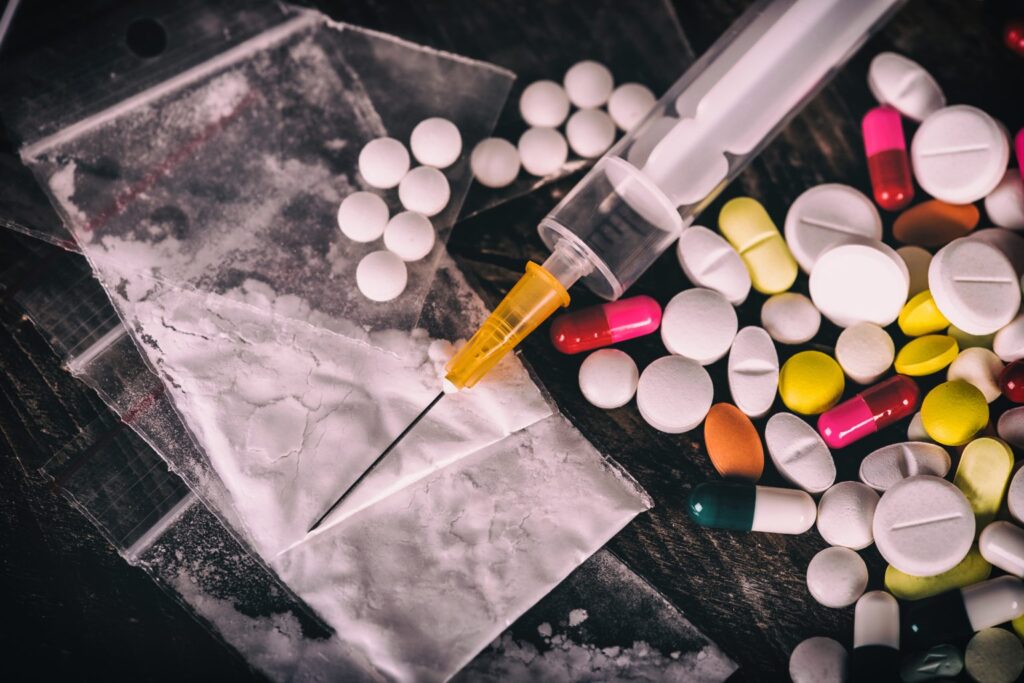
Long-Term Substance Analysis
Long-term substance analysis refers to extended toxicological testing—typically using hair follicle samples—to establish a comprehensive, chronological timeline of an individual’s drug and alcohol consumption for up to \(90\) days. This testing method evaluates accumulated drug metabolites embedded within the hair shaft as it grows. It is utilized to detect patterns of chronic or prolonged substance use, distinguishing long-term habits from isolated or acute short-term usage (which is better identified through urine or blood).
Key Characteristics of Long-Term Substance Analysis
- Extended Detection Window: Provides an extensive history, typically spanning \(30\) to \(90\) days depending on the hair length tested.
- Pattern Identification: Helps experts and medical professionals identify whether a person has engaged in prolonged, heavy use rather than a one-time exposure.
- Sample Collection: Usually requires a small sample of hair (about \(1.5\) inches in length, cut close to the scalp) to create a retroactive timeline of substance presence.
Common Applications
- Workplace Compliance: Used by employers maintaining strict zero-tolerance drug policies.
- Legal and Judicial Proceedings: Frequently utilized by probation officers, family courts, and child welfare agencies to monitor individuals over extended periods.
- Clinical Assessments: Aids addiction specialists and healthcare providers in understanding the severity of a Substance Use Disorder (SUD) and planning long-term treatment.
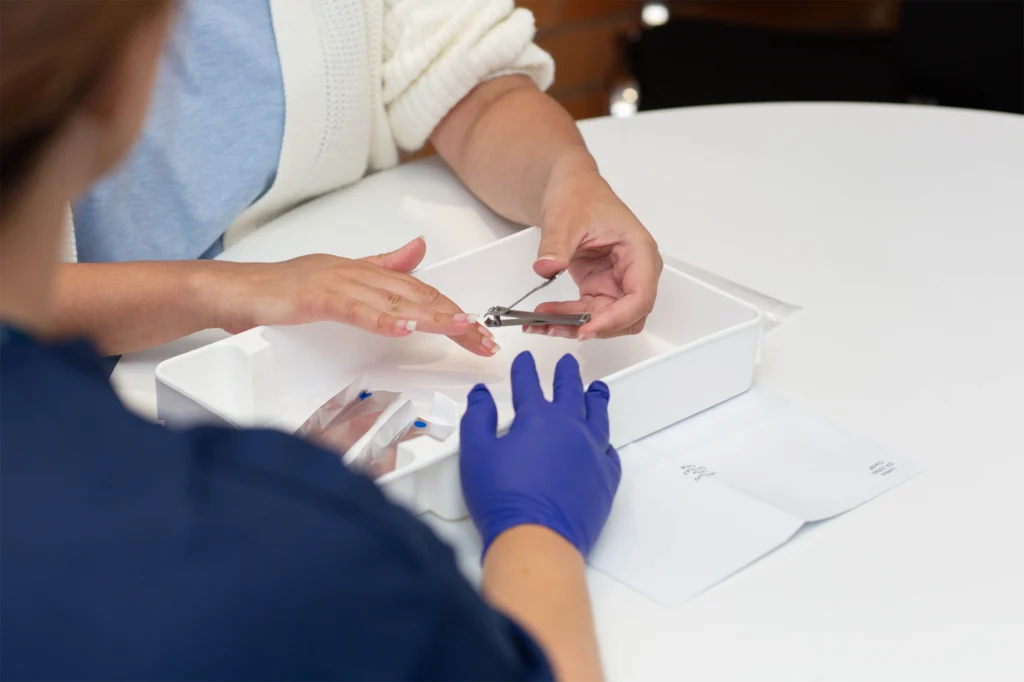
Biomarker Nail Test
A biomarker nail test is a non-invasive screening method that analyzes keratin in fingernails or toenails to detect drug/alcohol use, trace elements, or nutritional deficiencies. Because nails grow continuously, they lock in biomarkers, providing a long-term “history” that can detect substance use for up to 3 to 6 months.
How the Test Works
As your nails grow, substances present in your bloodstream and surrounding tissues are deposited into the nail bed and trapped in the keratin fibers.
- Sample Collection: Technicians clip about 2-3 mm of nail (roughly the width of a quarter) from all ten fingers or toes.
- Detection Window: Fingernails provide a 3 to 6-month detection history, while toenails can capture usage for 6 to 12 months.
Common Applications
- Substance Abuse Screening: Used frequently in workplaces, legal cases, and addiction treatment. It can trace drugs like amphetamines, cocaine, marijuana, and opiates, as well as alcohol biomarkers like EtG.
- Trace Elements & Nutrition: Evaluates levels of heavy metals (e.g., lead, mercury) or vital nutrients (e.g., selenium) to monitor long-term exposure or dietary health.
Why People Use It
- Longer Window: Catches substance abuse over a much longer period than standard urine or blood tests.
- Difficult to Tamper: Unlike hair follicle testing, chemical treatments or washing do not easily wash away biomarkers in nails.
- Convenient: It can be collected on-site quickly and discreetly without specialized medical personnel.